Can We Use AI-Generated Images Commercially? Copyright and Platform Rules
Short answer: in most cases, yes. The harder questions are whether you own the image, whether anyone can copy it, and whether it could infringe someone else’s rights. This guide covers copyright in Türkiye, the U.S., the EU and the UK, the rules of the main AI image tools, and a checklist for delivering AI visuals to clients.
 November 16, 2026
8 min read
Mostly yes. The main AI image tools allow commercial use, at least on paid plans, but a tool’s terms only settle your rights against the tool’s provider. Under Turkish, U.S. and EU law, purely AI-generated images may get no copyright protection, so you may be unable to stop others from reusing them. Separately, an output can still infringe if it contains someone’s logo, watermark, character or likeness.
Agencies and in-house teams run into the same questions on delivery day: can the client use this image, can they protect it, and who is responsible if something goes wrong? The answers depend on three different things, and most guides blur them together.
Can You Use AI-Generated Images Commercially?
In most cases, yes. The major AI image tools allow commercial use, at least on paid plans. But “commercial use” is only one of three questions, and each has its own answer:
- Can I use it? This is decided mainly by the tool’s terms and your plan.
- Can I own and protect it? This is decided by copyright law, which in Türkiye, the U.S. and the EU currently protects human authorship.
- Can it get me in trouble? This depends on what the image contains, for example a logo, a watermark, a recognizable character or a real person’s face.
A tool’s license can answer the first question. It cannot answer the other two for you.
Who Owns an AI-Generated Image?
Copyright in the United States
The U.S. Copyright Office’s position, set out in its 2025 report on copyrightability, is that copyright covers only human authorship. Output generated entirely by an AI model is not protected, while original human expression that modifies or arranges AI output can be.
Courts have followed this line. In Thaler v. Perlmutter, the D.C. Circuit upheld the refusal to register an artwork created by an AI system (March 2025), and in March 2026 the Supreme Court declined to take the case. The Office has also rejected registrations for Midjourney images where the human input was limited to prompts.
Copyright in Türkiye
Under Turkish copyright law (the FSEK, Law No. 5846), only natural persons can be authors, so content generated entirely by AI is generally not a protected work. Legal commentary also points out that no specific rule addresses purely AI-generated output. Where a person adds real creative work, the picture can change, but the line is not settled in case law.
Copyright in the United Kingdom
The UK is the odd one out. Section 9(3) of the Copyright, Designs and Patents Act 1988 still gives protection to computer-generated works that have no human author, and treats the person who made the necessary arrangements as the author. In its March 2026 report on copyright and AI, the government said it still prefers to repeal that provision. Works made with AI assistance would stay protected where they reflect human creative choices. The report is not binding, and no repeal has been introduced or timetabled. Do not build a client promise on a rule that may disappear.
Copyright in the EU and Germany
EU copyright asks for a work that is the author’s own intellectual creation, which points to a human author. The first EU court ruling on the question, from the Prague Municipal Court in October 2023, held that an image generated with DALL-E is not protected by copyright. German law follows the same logic, so a dominant human influence on the result must be verifiable. A 2026 first-instance German decision on AI-generated logos considered protection conceivable where a person intervened in the AI output. The European Parliament’s March 2026 resolution adds that content created entirely by AI should stay ineligible for copyright, but it is not binding.
What this means in practice
In Türkiye, the U.S. and the EU, protection follows human creative input. You can use an AI image, but you may not be able to stop someone else from using the same image. That matters if a client expects exclusive rights to a logo, a mascot or a key campaign visual. Do not promise exclusivity or registrability for purely AI-generated assets.
What Do the Main AI Image Tools Allow?
Tool terms change often and differ by plan. The table below is based on published summaries of each tool’s terms. Check the current terms for the exact plan you use before delivering client work.
| Tool | Commercial use | Ownership language | IP indemnification |
|---|---|---|---|
| Midjourney | Paid plans yes, free tier no | You own outputs, but the tool does not guarantee copyright | None on any plan |
| ChatGPT (OpenAI) | Permitted | You own the output “to the extent permitted by law” | Enterprise plans only |
| Canva AI | Permitted for lawful use | You own the output “to the maximum extent permitted by law” | Check Canva’s current terms |
| Adobe Firefly | Permitted | Output can be used commercially | Eligible enterprise plans only, terms apply |
Three details are easy to miss:
- Free tiers differ. Midjourney’s free-tier outputs are reported to fall under a noncommercial license, so they are not for client work.
- Ownership is not exclusivity. Canva’s terms warn that AI outputs may not be unique and that commercial use is at your own risk.
- Indemnification is a plan feature. Midjourney is reported to offer none on any plan, while Adobe offers IP indemnity to eligible enterprise customers. Licensing advisers report that some customers assumed they were covered when their plan did not include it.
Where Is the Real Risk?
For most teams, the bigger risk is not who owns the image but what is in it.
One court case shows the pattern. In Getty Images v Stability AI (November 2025), the UK High Court dismissed Getty’s secondary copyright infringement claims, but found a narrow trademark infringement where generated images reproduced Getty’s watermark. The lesson for delivery: a generated image can carry someone else’s mark.
Check every AI image for:
- Logos, brand names and watermarks, including blurred or partial ones.
- Recognizable characters or mascots, even when the prompt did not name them.
- Real people’s faces or likenesses. This raises personality-rights and data-protection questions, separate from copyright.
- Prompts that imitate a living artist or a specific brand style. These can create disputes even where copyright law is unsettled.
Do You Have to Label AI Images in the EU?
If your content reaches audiences in the EU, the AI Act matters. Its transparency obligations (Article 50) have applied since 2 August 2026. Providers of image-generating systems must mark outputs in a machine-readable way, with a grace period until 2 December 2026 for systems already on the market. Deployers also have duties to label realistic synthetic content such as deepfakes.
Whether an ordinary marketing graphic needs a visible label depends on what it shows. If your visuals depict realistic people or events, ask a lawyer how the rules apply to your campaigns.
A Warning for Health Tourism: Never Use AI Before-and-After Images
AI-generated results images are a special case, and a dangerous one. Under Türkiye’s 2025 health advertising regulation, before-and-after photos must come from real patients with consent. As we read it, the rules also bar filters, retouching and digital correction, and require the image to be identified as showing a real patient or its source to be stated. An AI-generated result image is not a photograph of a real patient, so it cannot meet those conditions.
It also creates unrealistic expectations, which platform ad policies restrict separately. For the full rules, read our guide to the Turkey health advertising regulation.
Delivery Checklist for Agencies
Before you hand AI-generated images to a client:
- Record which tool, plan and date produced each image.
- Use a paid plan that allows commercial use, not a free tier.
- Check the image for logos, watermarks, characters and real faces.
- Keep prompts, iterations and source files in case you need to show how the image was made.
- Add real human work where it matters, such as composition, editing and typography, and keep the layered files.
- Do not promise exclusivity or copyright registration for purely AI-generated assets.
- State in the contract that AI tools were used and who carries which risk.
- Label AI content where platforms or EU rules require it.
Frequently Asked Questions
Can I use AI-generated images commercially?+
Can I copyright an AI-generated image?+
Does the tool’s license make me the legal owner?+
Are free plans safe for client work?+
Can an AI image infringe someone’s rights?+
Do AI images need to be labeled?+
AI images are usable in client work, but they are not a free pass. The tool’s terms tell you what you may do, copyright law tells you what you can protect, and the content of the image tells you what could go wrong.
At RTN House, we recommend treating AI output as raw material: edit it, document it, check it for third-party marks, and be honest with clients about what they own.
An Example from RTN House
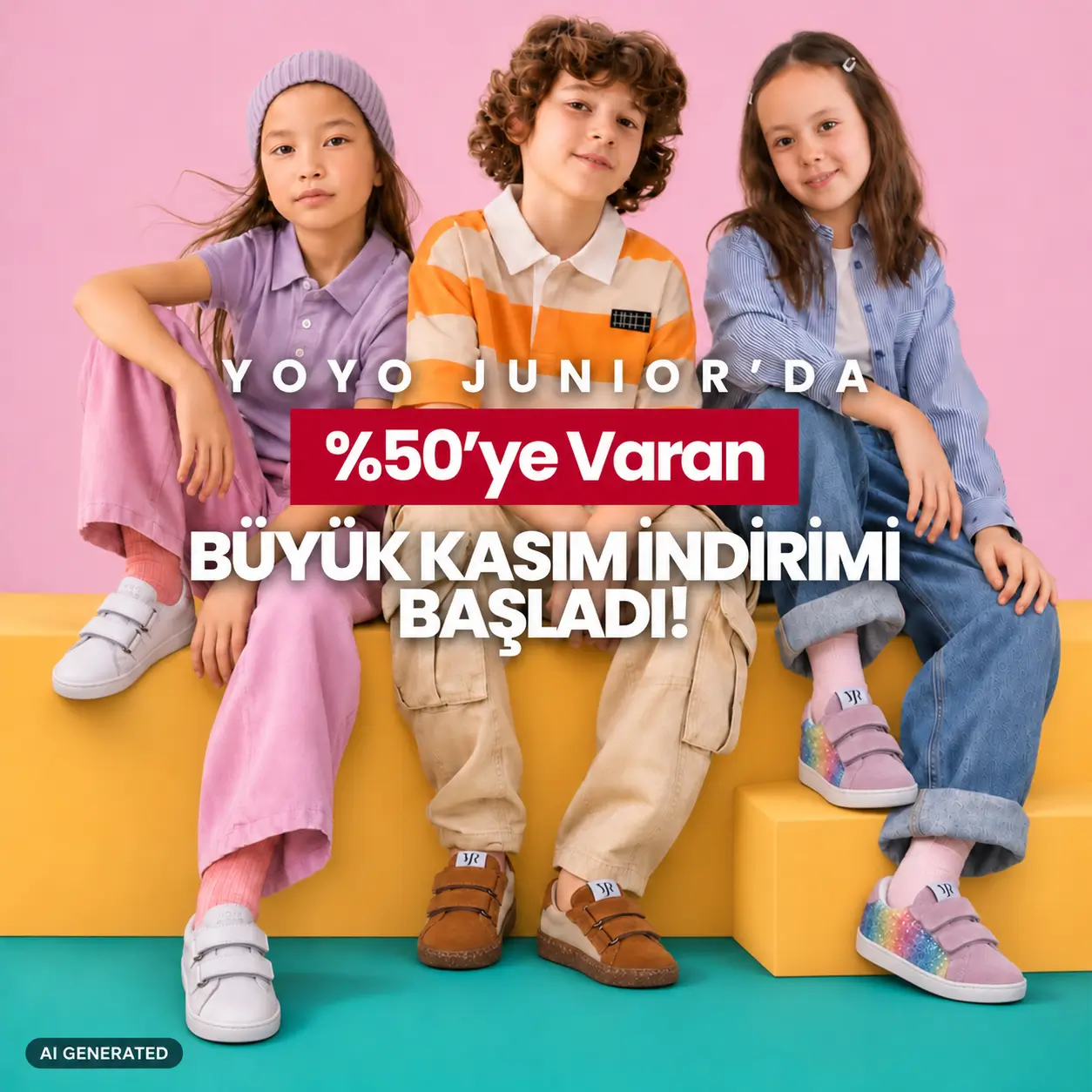
Here is one of the AI-assisted designs our team has produced.
Sources: Copyright Alliance, U.S. Copyright Office report on copyrightability · TMCA, Thaler v. Perlmutter and the Supreme Court · Av. Mert Çelik, AI content and copyright in Türkiye (Turkish) · Cleary Gottlieb, Getty Images v Stability AI · Addleshaw Goddard, EU AI Act marking and labelling · Adobe, Firefly legal FAQs for enterprise customers · RPC, UK government report on copyright and AI · Bird & Bird, Prague Municipal Court ruling · Taylor Wessing, AI output and German copyright · Asia IP Law, European Parliament resolution. Tool terms were reviewed through published summaries and change often, so confirm them in each tool’s current terms. This is a marketing guide based on public summaries, not legal advice. Laws and tool terms change, so confirm with a lawyer and with each tool’s current terms. Last reviewed November 16, 2026.
Need AI visuals you can safely deliver?
We design brand visuals and campaign creative, using AI where it helps and documenting what goes into each deliverable.
Explore Web & Graphic Design →
Designs brand visuals and campaign creative at RTN House.